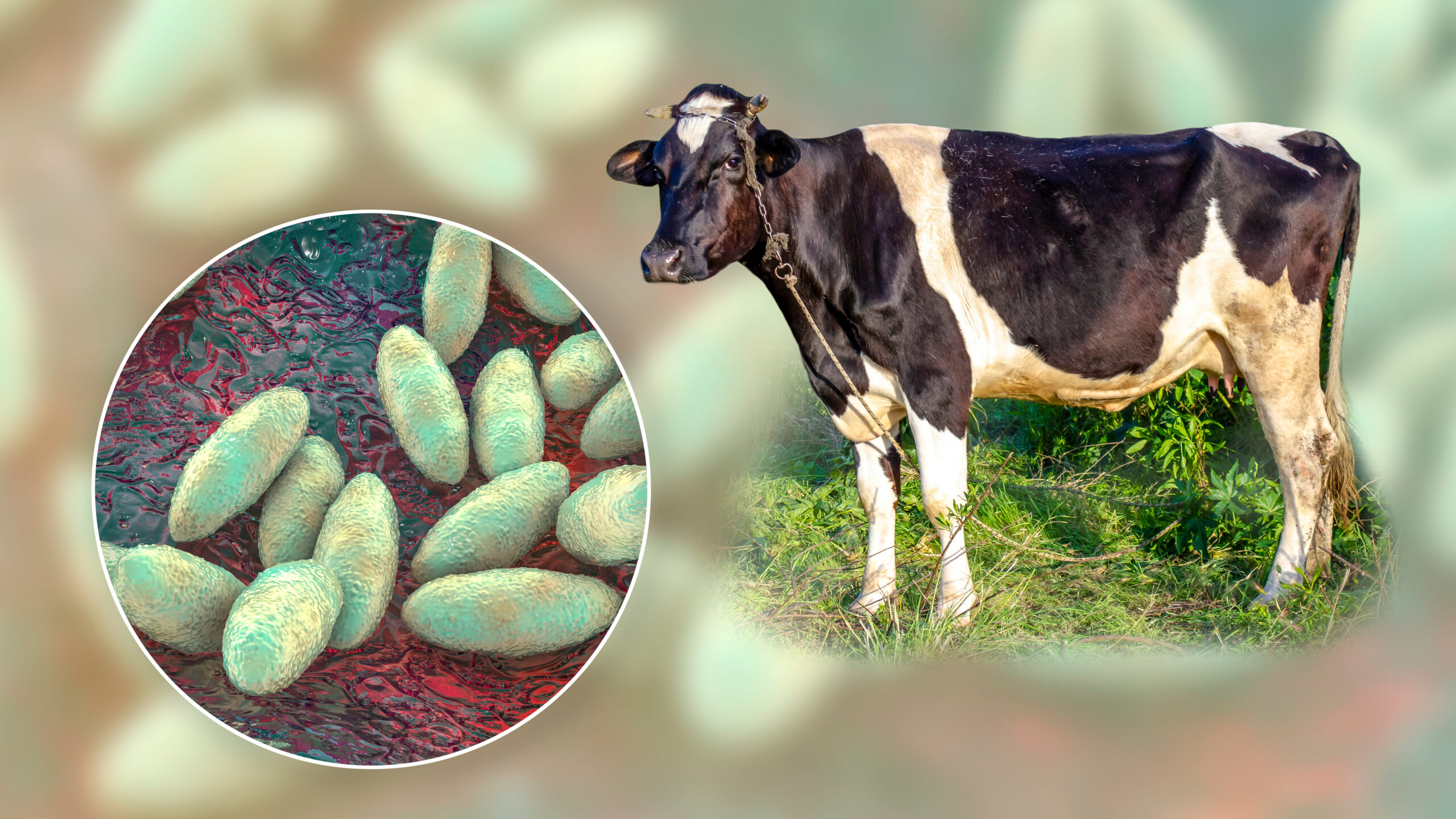
Infection spreads rapidly and causes many abortions in unvaccinated cattle. In a herd in which disease is endemic, an infected cow typically aborts only once after exposure; subsequent gestations and lactations appear normal. After exposure, cattle become bacteremic for a short period and develop agglutinins and other antibodies; some cattle resist infection, and a small percentage of infected cows spontaneously recover. A positive serum agglutination test usually precedes an abortion or a normal parturition but may be delayed in ~15% of cows. The incubation period may be variable and is inversely related to stage of gestation at time of exposure. Organisms are shed in milk and uterine discharges, and the cow may become temporarily infertile. Bacteria may be found in the uterus during pregnancy, uterine involution, and infrequently, for a prolonged time in the nongravid uterus. Shedding from the vagina largely disappears with the cessation of fluids after parturition.
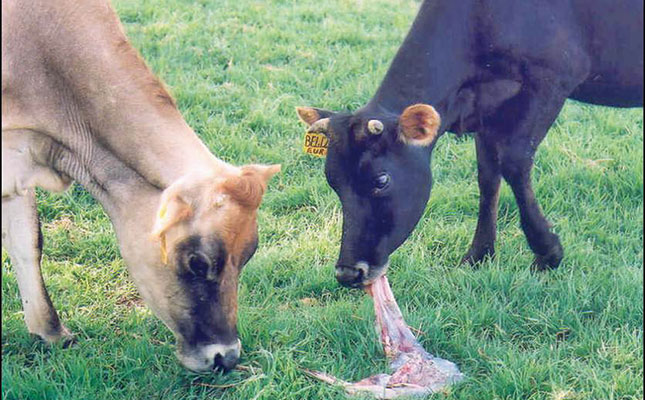
Natural transmission occurs by ingestion of organisms, which are present in large numbers in aborted fetuses, fetal membranes, and uterine discharges. Cattle may ingest contaminated feed and water or may lick contaminated genitals of other animals. Venereal transmission by infected bulls to susceptible cows appears to be rare.