Digital Imaging

Digital Imaging

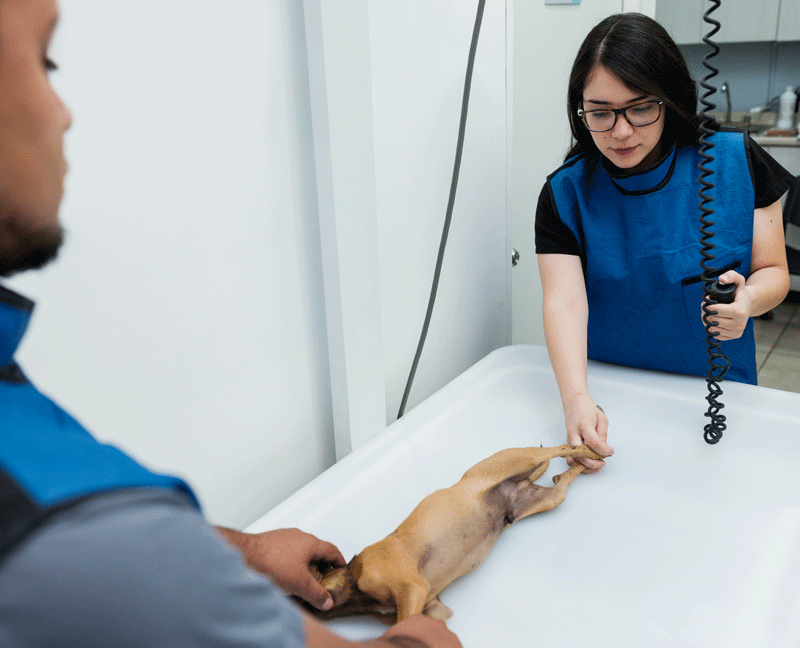
Digital radiology is an advanced diagnostic imaging tool used to examine your pet’s organs as well as the cardiopulmonary, gastrointestinal, reproductive, and urinary systems. This is a non-invasive procedure that allows our veterinarians to get an in-depth look at the conditions affecting your pet. Our digital radiology suite enables us to locate foreign objects, diagnose fractures and joint abnormalities, screen for abnormalities in the internal organs (such as cancer), and perform dental x-rays.

Contrast Radiography

Retrograde administration of positive, negative or a combination of contrast agents into the large intestine provides information about the intestinal lumen. Typical contrast studies performed at WestVet include myelogram, fistulogram, cystourethrogram, intravenous pyelogram, and upper GI barium series.

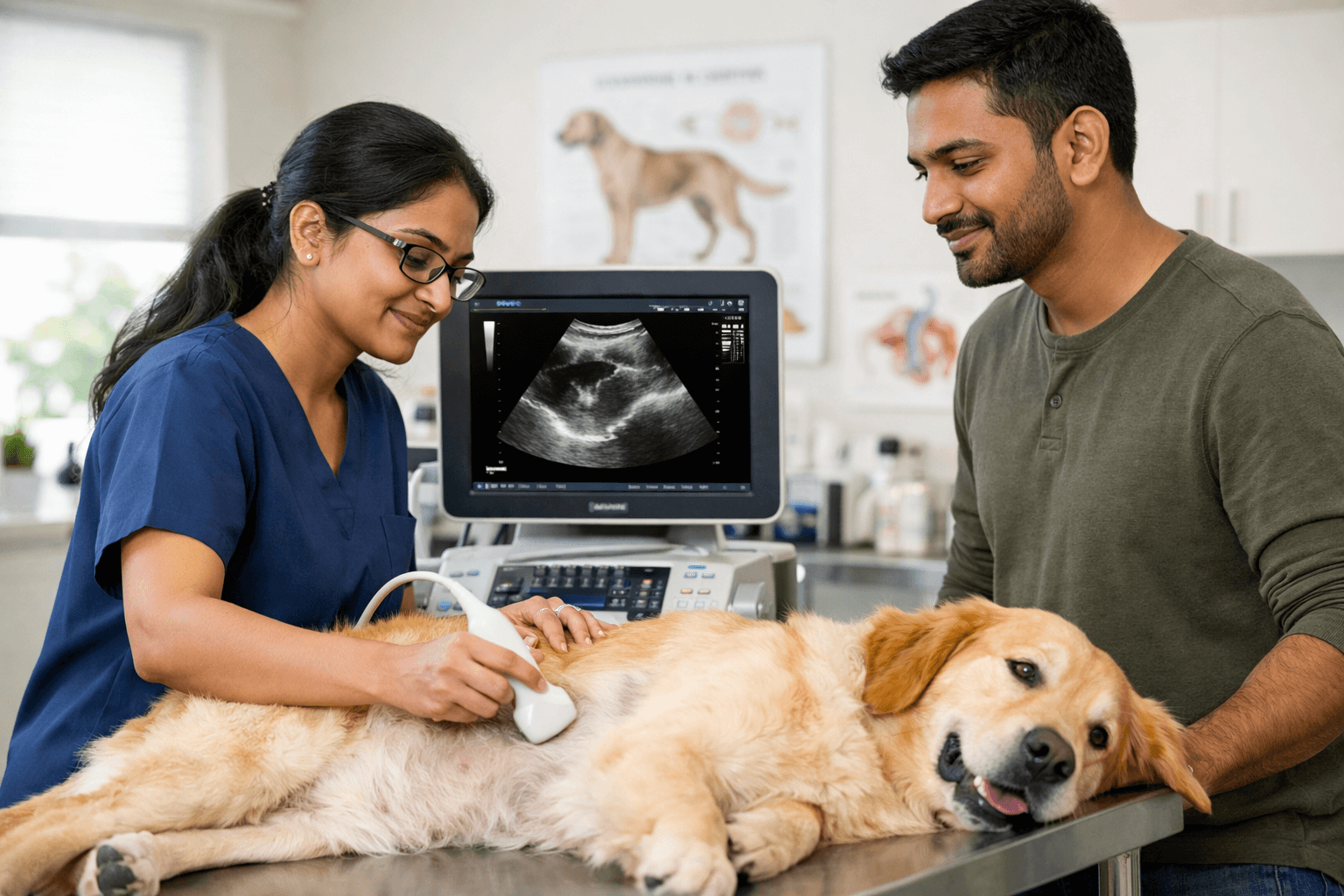
Ultrasonography

Imaging with sound waves is called ultrasound imaging, and is the second most common form of medical imaging in veterinary medicine. When an ultrasound examination is performed, a harmless, high-frequency sound beam – not detectable by humans or pets – is projected into the body of your pet. Ultrasound examinations are complementary to x-rays: they are especially useful in detecting abdominal diseases , reproductive problems and are often able to provide a diagnosis when x-rays cannot. The functioning of various organs and blood flow can be observed to determine if they are malfunctioning.

Echocardiography

Pets with heart disease may have symptoms that appear unrelated to heart conditions such as lack of appetite, lethargy, or fainting spells. Some pets may not show any signs or unusual behavior, and go unnoticed until his or her routine examination.

Electrocardiography

VETLAB routinely performs electrocardiography (ECG or EKG) recordings as part of our veterinary cardiology services. An ECG is readout of the electrical activity of the heart and gives our cardiologist information on your pet’s heart rate, heart rhythm and potential irregularities called arrhythmias.

Have a Question?
Talk to Us!

If you have any questions or would like to learn more about our diagnostic services for companion animals, please fill out our Contact Form or call us directly at 011-66-448-448 for prompt assistance and expert support.

Fill Up the Enquiry Form